Embark on a Journey of Healing
This is a mental health journey. A chance to rebuild, to heal, and to share
honestly what it looks like to start again after everything falls apart.
About From Ruins to Roads
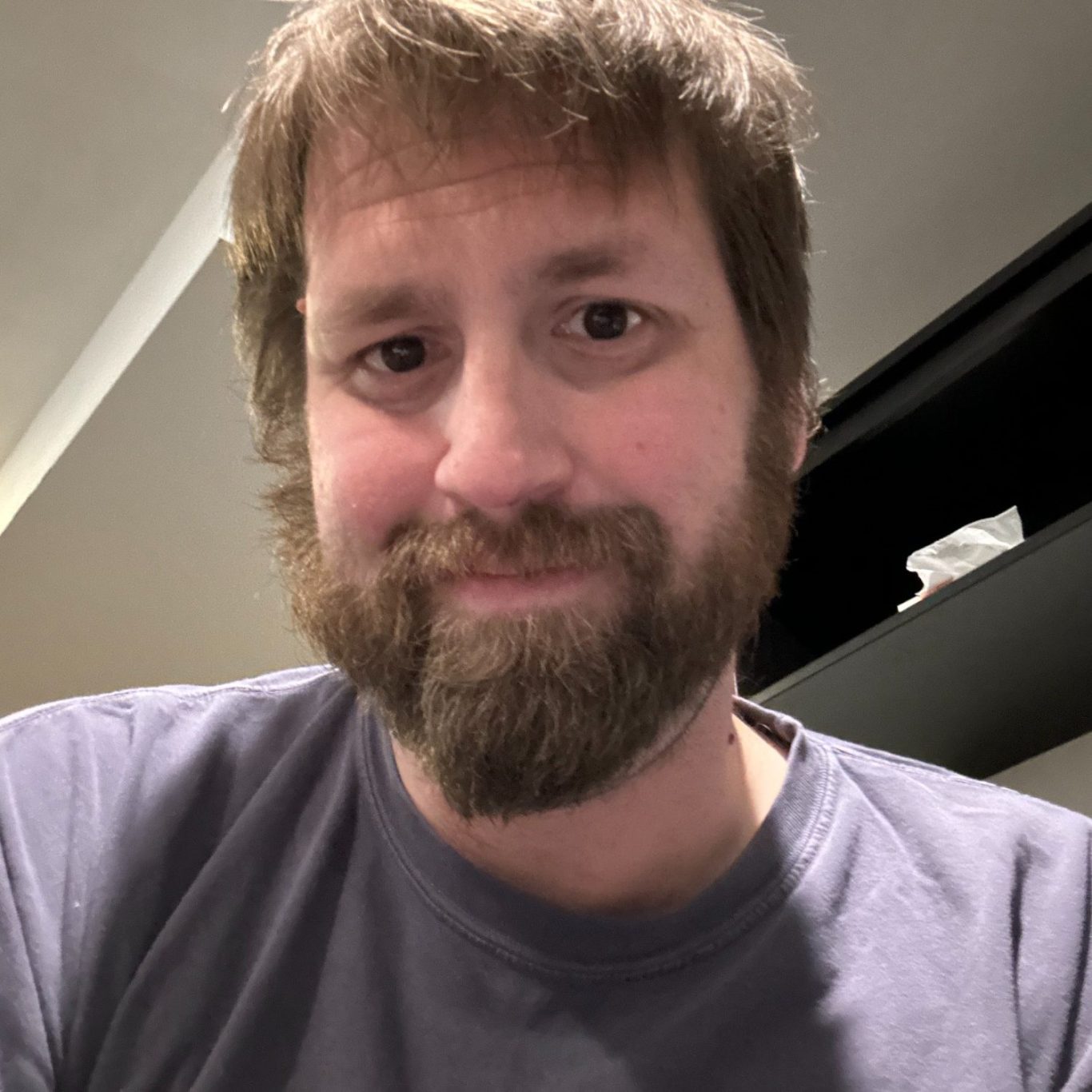
I am a male survivor of domestic violence. Beginning in early 2024, my mental health collapsed under prolonged emotional abuse, isolation, and despair. When I survived what was meant to break me, the abuse shifted into the legal system—resulting in months of wrongful incarceration before the truth finally came out.
This project is my way forward.
Through a pilgrimage on the Camino de Santiago, I am choosing to walk through healing instead of running from pain. This journey explores mental health, survival after suicidal ideation, rebuilding identity after injustice, and the quiet courage it takes to stay alive and begin again.
From Ruins to Roads is about movement—physical, emotional, and spiritual. It is about refusing to let ruins be the end of the story.

The Camino de Santiago
The Camino de Santiago—often called The Way of St. James—is an ancient network of pilgrimage routes stretching across Europe and ending at the Cathedral of Santiago de Compostela in Spain. For over a thousand years, people have walked the Camino seeking healing, forgiveness, clarity, and renewal. Some walk in faith, some in grief, some in search of meaning after loss. Many walk because life has left them with more questions than answers.
The Camino is not an escape from pain—it is a place where pain is carried, step by step, until it begins to change. Long days of walking strip life down to its essentials: movement, breath, food, rest, and reflection. The road invites honesty. There is no hiding from yourself when your only task is to keep walking.
For those living with depression, trauma, or the aftermath of injustice, the Camino offers something rare: space. Space to process what has been endured. Space to grieve what was lost. Space to reconnect with the body after months or years of survival mode. Healing on the Camino does not happen quickly or neatly—but it happens through presence, repetition, and perseverance.
This pilgrimage is not about reaching a destination. It is about learning how to move forward again when life has come undone—and discovering that even in ruins, a road still exists.
Why this trip? Why Now?
This Camino is not a dream vacation or a trip planned in better times. It is something I am choosing because of what has been endured—and because of what I am still navigating.
After surviving domestic abuse, suicidal despair, and months of wrongful incarceration, my life was left fractured. While I am no longer jailed, the stress surrounding my past legal situation has not fully resolved. There have been continued attempts to raise new allegations, which have made it difficult to feel settled, safe, or able to fully focus on healing. I share this not to make legal claims or arguments, but to explain the ongoing context in which recovery is taking place.
Traveling to Europe offers something I do not currently have: distance, stability, and space to reset in an environment removed from ongoing stressors. This pilgrimage is not about avoiding responsibility or reality. It is about creating the conditions necessary for recovery—physically, emotionally, and mentally—after a prolonged period of crisis.
At the same time, rebuilding in conventional ways has felt overwhelming. Searching for stable employment while managing trauma, depression, and unresolved stress has been far more challenging than I expected. The pressure to immediately return to “normal” life has felt unsustainable. This Camino provides a way to move forward without denying the real impact of what has happened.
This pilgrimage comes now because healing cannot be postponed indefinitely. There is a point where rest becomes isolation, and where movement—literal movement—becomes essential to recovery. Walking long distances offers something therapy rooms and legal processes often cannot: a way to reconnect mind and body through rhythm, presence, and intentional effort.
This trip also offers space without performance. There is no expectation to be fully healed by the end of the road. No demand for productivity or outcomes. Only the daily practice of showing up, carrying what is necessary, and taking the next step. For someone rebuilding after trauma and prolonged stress, that simplicity is deeply grounding.
This pilgrimage is not about proving resilience or seeking redemption. It is about restoring a sense of safety, reclaiming agency, and learning how to inhabit life again after it nearly came undone. The Camino offers a path forward that acknowledges complexity while still allowing hope.
This is why now. Because healing requires safety. Because healing requires movement. And because I am still here—choosing, day by day, to keep walking.
Blog (Coming soon)
This is where you can find updates on my journey, thoughts, and reflections. Also, make sure you check out my social media for pictures and other short reflections